
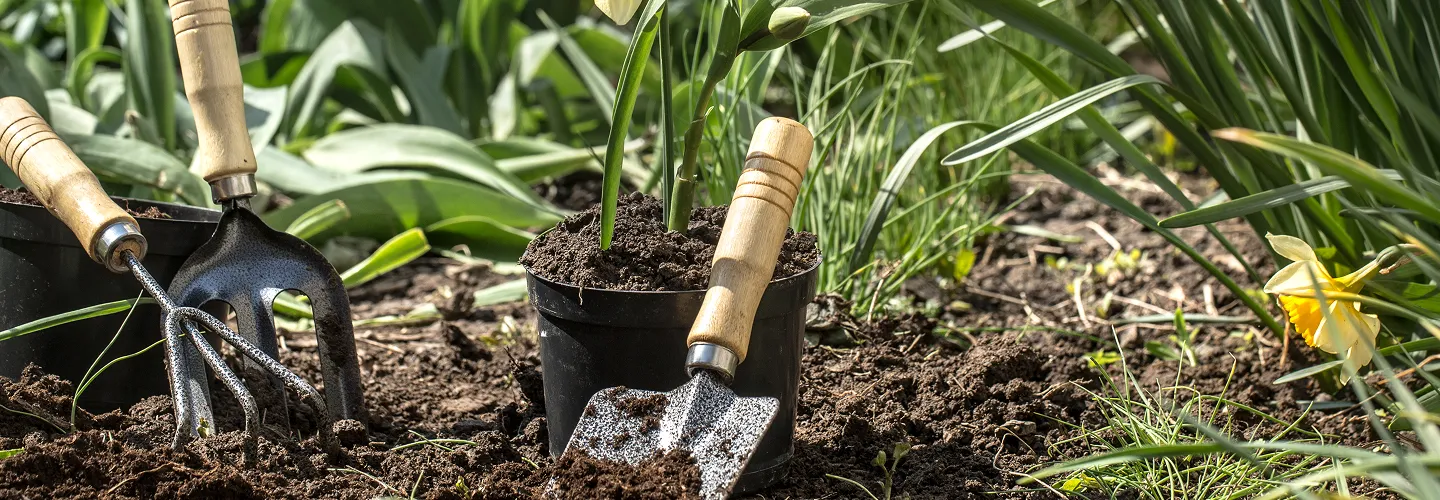
Manor Flower Planting Services
Choose our expert flower planting services for vibrant, long-lasting gardens tailored to your style—enjoy professional care, premium plants, and a stunning outdoor transformation that enhances your home's curb appeal.
Get a Free QuoteOur Manor Landscaping & Yard Care Services
When to Schedule Flower Planting in Manor, Texas – Seasonal Guide
Flower planting in Manor, Texas, is best scheduled with careful attention to the region’s unique climate and landscape. The optimal planting windows typically fall in early spring (late February to early April) and again in early fall (late September to October), when temperatures are moderate and rainfall is more predictable. Manor’s proximity to Austin means it shares similar weather patterns, but local microclimates—such as those near ShadowGlen Golf Club or along Old Kimbro Road—can influence soil moisture and sun exposure.
It’s important to consider Manor’s average last frost date, which usually occurs in early March, before planting tender annuals. The area’s clay-rich soils, common in neighborhoods like Presidential Meadows, retain moisture but can become compacted, affecting root growth. Drought risk increases in late summer, so selecting drought-tolerant varieties and planning for supplemental irrigation is wise. For more information on local planting guidelines and municipal recommendations, visit the Sudbury town resources.
Local Factors to Consider for Flower Planting in Manor
- Proximity to large shade trees (affecting sunlight and moisture)
- Soil composition and drainage, especially in newer developments
- Average precipitation and risk of summer drought
- Neighborhood-specific microclimates (e.g., near Manor High School or Lagos Elementary)
- Municipal watering restrictions during dry months
- Terrain slope and potential for water runoff
Benefits of Flower Planting in Manor
Expert Landscaping Services
Customized Garden Designs
Seasonal Plant Selection
Enhanced Curb Appeal
Eco-Friendly Planting Solutions
Professional Maintenance Support

Manor Flower Planting Types

Perennial Flower Beds
-
Annual Flower Displays
-
Mixed Border Plantings
-
Shade Garden Flowers
-
Wildflower Meadows
-
Formal Parterre Gardens
-
Container Flower Arrangements
Our Flower Planting Process
Site Evaluation
Soil Preparation
Plant Selection
Careful Planting
Watering and Mulching
Why Choose Manor Landscape Services
-
Manor Homeowners Trust Us
-
Expert Lawn Maintenance
-
Reliable Seasonal Care
-
Competitive Pricing
-
Professional Team
-
Satisfaction Guarantee
-
Personalized Service
Soil Series and Drainage Considerations for Flower Planting in Manor
Manor’s landscape is dominated by Houston Black clay and Burleson clay loam soils, as identified by the USDA Web Soil Survey. These soils are characterized by high clay content, pH levels typically ranging from 7.5 to 8.2, and poor to moderate drainage, which can lead to water retention and compaction issues. For successful flower planting, it is essential to incorporate 2-3 inches of compost tilled to a 6-inch depth and consider gypsum amendments to improve structure. Soil testing is recommended through Texas A&M AgriLife Extension (test cost: $15-25). Key steps include:
- Compost incorporation: 2-3 inches, tilled to 6-inch depth
- Lime application only if pH is below 6.0 (rare in Manor)
- Raised beds for areas with persistent drainage issues
- Soil test every 2-3 years for nutrient management
Optimal Flower Planting Windows and Climate Factors in Manor
Manor is located in USDA Hardiness Zone 8b, with average annual minimum temperatures of 15-20°F. The local climate features hot, dry summers and mild winters, making spring (March 1 - April 15) and fall (October 1 - November 15) the preferred planting windows for most perennial and annual flowers. Avoid planting during June-August due to heat stress and high evaporation rates. The National Weather Service Austin/San Antonio Office provides up-to-date soil temperature and rainfall data to guide timing. Recommended timing:
- Spring planting: March 1 - April 15 (soil temp 55-65°F)
- Fall planting: October 1 - November 15 (before first frost)
- Avoid summer planting (June-August)
- Monitor rainfall and irrigation needs during drought periods
Native and Adaptive Flower Species Selection for Manor’s Conditions
Selecting species suited to Manor’s alkaline, clay-rich soils and climate is critical for long-term success. Native and adaptive perennials such as Black-eyed Susan (Rudbeckia hirta), Gulf Coast penstemon (Penstemon tenuis), and autumn sage (Salvia greggii) are recommended for their drought tolerance and minimal maintenance needs. For shaded areas, Turk’s cap (Malvaviscus arboreus) and inland sea oats (Chasmanthium latifolium) perform well. Spacing should be 12-18 inches for most perennials to ensure airflow and reduce disease risk. Recommended species:
- Full sun: Black-eyed Susan, autumn sage, lantana
- Partial shade: Turk’s cap, inland sea oats, columbine
- Deer resistant: Russian sage, salvia, yarrow
- Native options: Winecup, mealy blue sage, coreopsis
Municipal Coordination and Flower Bed Installation Standards in Manor
All flower bed installations in Manor must comply with local ordinances regarding property line setbacks, right-of-way encroachments, and stormwater management. Flower beds must maintain a 25-foot buffer from wetlands and drainage channels, and no soil or mulch may be placed within 10 feet of storm drains to comply with MS4 permit requirements under the Clean Water Act. Equipment operation is permitted:
- Monday-Friday: 7:00 AM - 7:00 PM
- Saturday: 8:00 AM - 6:00 PM
- Sunday and holidays: Prohibited Permit review for beds over 200 sq ft typically requires 5-10 business days. For guidance on compliance and permitting, coordinate with:
Bexar County Public Works Department
1948 Probandt St, San Antonio, TX 78214
Phone: (210) 335-6700
Official Website: Bexar County Public Works Department
Environmental Compliance: Stormwater, Buffer Zones, and State Regulations
Flower planting activities in Manor must adhere to Texas Water Code and Texas Commission on Environmental Quality (TCEQ) MS4 stormwater regulations. It is prohibited to deposit soil, mulch, or plant debris in storm drains or within 25 feet of wetlands and creeks. Fertilizer and pesticide applications must not occur within 50 feet of water bodies. For projects near protected areas or conservation lands, consult the EPA Region 6 and TCEQ for buffer requirements. Compliance steps:
- Maintain 25-foot no-disturbance buffer from wetlands
- No fertilizer/pesticide within 50 feet of water bodies
- Use biodegradable mulch and avoid plastic sheeting
- Dispose of plant debris through municipal yard waste programs
What Neighborhoods Do We Serve Throughout Manor, TX?
- Presidential Meadows: Features newer developments with compacted fill soils and moderate drainage; raised beds and soil amendments are often necessary for successful flower establishment.
- ShadowGlen: Characterized by large lots, mature trees, and proximity to golf course water features; requires careful buffer management and deer-resistant plant selection.
- Lagos: Newer subdivision with heavy clay soils and limited shade; irrigation scheduling and drought-tolerant species are critical for sustainable planting.
- Bell Farms: Contains smaller lots and higher density housing; HOA guidelines may restrict flower bed size and species, so always verify community standards.
- Wildhorse Creek: Located near seasonal creeks and flood-prone areas; strict adherence to buffer zones and stormwater controls is required.
- Carillon: Features sloped lots and exposed sites; erosion control measures and mulching are essential to prevent soil loss and runoff.
- Downtown Manor: Historic area with mixed soil conditions and older infrastructure; access limitations and right-of-way regulations may affect planting locations.